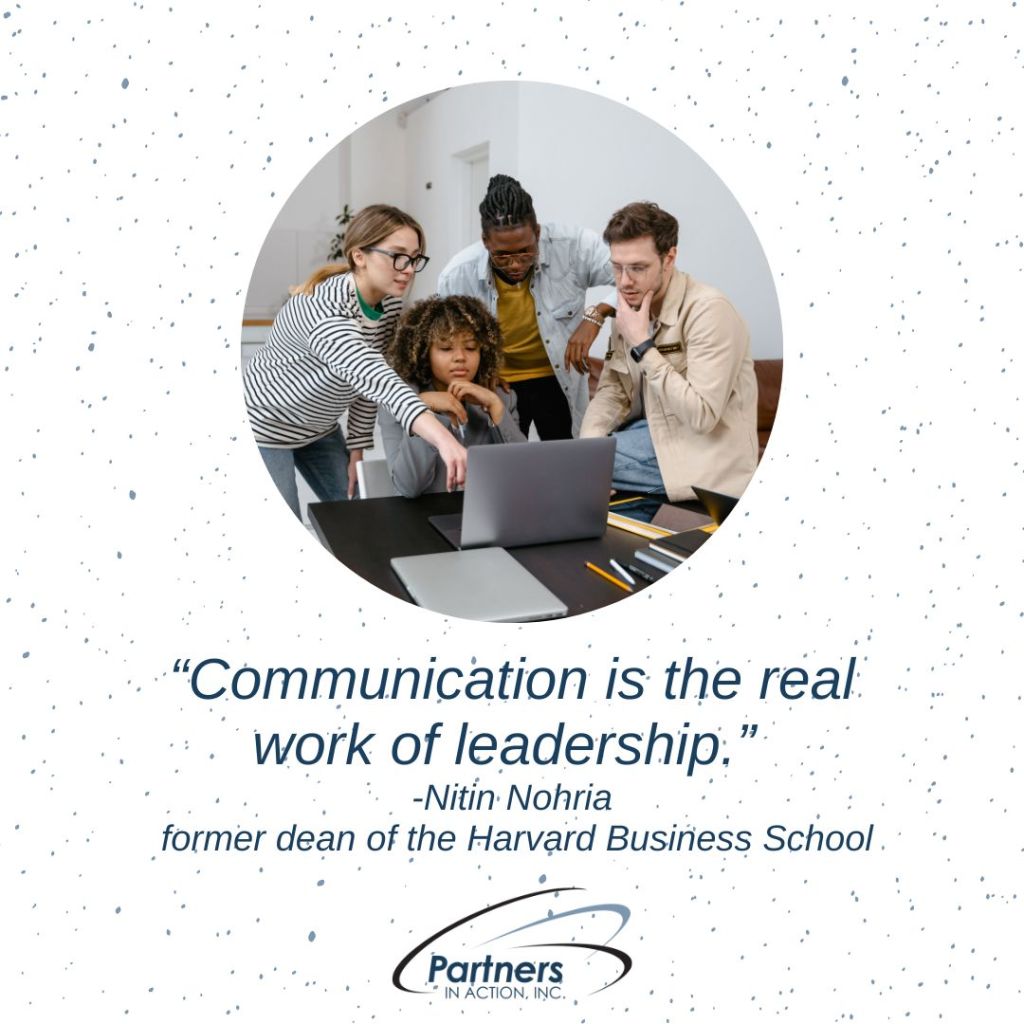

You are in the middle of communicating with someone and ask them a question, to which you receive a rather blank stare. Obviously, they did not hear your message. This experience can be frustrating. You may wonder why they were not engaged in the conversation or able to understand a message which seemed clear to you.
When we communicate, we usually start with what we want to say. Often, we assume the other person already shares our knowledge about the subject or has been processing things as long as we have. In so doing, we can catch people off guard and provide only half of the information needed. We further confuse people by assuming they know what our intent or goal is in sharing the message with them. It’s no wonder miscommunication is such a frequent occurrence.
Communication ultimately is about ensuring that the other person actually receives and understands our message. To do so means considering how to communicate in a way that allows them to hear and act on our communication. Effective communication requires us to prepare our communication by adjusting our starting point.
Start out by sharing your goal for communicating a message. Let people know why you are sharing something with them. Also, it’s important to consider how to share the message in a way that fits their style. Using a tool like a DISC Profile provides great insights into someone’s behavioral and communication preferences. This understanding allows us to “frame” our message in an easy-to-understand format. When we adapt our communication style for the audience, we demonstrate respect, and our effectiveness rises.
We also need to invite questions from the other party, so we can clarify aspects of the communication that were not clear to them. We should also ask them to share the message back to us along with what next steps would be needed. This process ensures that we have heard their interpretation of our message and are on track to accomplishing our goal.
Finally, concluding our communication by returning to our purpose cements our message and provides clarity for moving forward. This step is often referred to as closing the loop together. Let’s raise our communication effectiveness and avoid the frustration of miscommunication!